Now or Never Radio, an Environmental Podcast
This was home to Now or Never Radio, an environmental podcast. Content is from the site's archived pages.

Two Clean Tech Venture Capital Investors Talk Shop
03.22.12: How much can cleantech investing change with geographic region, culture and market? Potentially, a lot. Sarah Bacon talked with two cleantech employees and reports back.
· · · · · · · · · · · · · · · · · · · · · · · · · · · · · · ·
There’s Gold in that Grease Trap!
2.10.12: In the latest installment of Ask The Expert, producer Ben Pomeroy visited with Emily Landsburg, CEO of Black Gold Biofuels to learn more
· · · · · · · · · · · · · · · · · · · · · · · · · · · · · · ·
Eco-Horror Director Larry Fessenden
1.18.12: Film director Larry Fessenden (pictured above) boasts a prolific career scaring people. Of all the horrors he been part of, Larry may be most fearful of stuff like this.
· · · · · · · · · · · · · · · · · · · · · · · · · · · · · · ·
Zero Waste in Boulder, CO. Really?
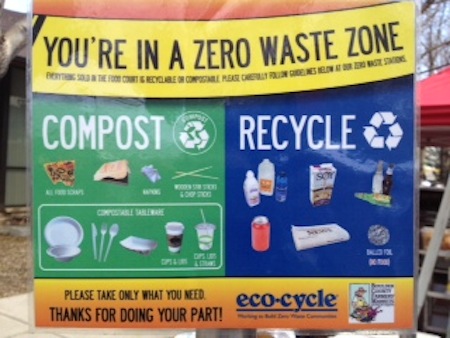
05.23.12: Boulder, Colorado is one of a handful of U.S. cities with a Zero Waste policy, a municipal commitment to divert as much of the waste stream as possible from landfilling and incinerators. Even though Boulder has a long history of environmentalism, the state of Colorado has some of the lowest landfill tip fees in the country. So how does Boulder do it?
NNR host Sarah Bacon visited Boulder and met a few of the key players in the city’s trash sector. She talked with Kara Mertz, Director of Environmental Action for the City of Boulder about how the program works and barriers to success, and with Shaun LaBarre Director of ReSource, a local building material and housewares salvage operation. We also asked a Boulder local, Simon Taranto, about the Zero Waste lifestyle…
What it Takes to LEED

4.30.12: Seven World Trade Center, the Empire State Building, and 41 Cooper Square are all LEED certified. LEED, Leadership in Energy and Environmental Design, is a point-based rating system established by the U.S. Green Building Council to drive energy and resource efficiency innovation in the construction and building industry. LEED certification has become a proxy mission statement for energy efficient buildings made with sustainable materials, nontoxic components, and airy, daylit working environments. But LEED is often criticized for encouraging “point chasing.”
NNR producer Sarah Bacon spoke with four LEED industry experts to understand the differences between certification levels; why developers would seek LEED certification and why some choose not to, and the importance of a post-occupancy performance. She met Jody Grapes, Director of Facilities Management at The Cooper Union’s LEED Platinum 41 Cooper Square Chris Garvin, Partner at planning and design firm, Terrapin Bright Green; Brooks Perlin, CFO of ECO Supply, a green building materials vendor, and green developer Seth Brown, CEO of Aspen Equities.
Two Clean Tech Venture Capital Investors Talk Shop
03.22.12: How much can cleantech investing change with geographic region, culture and market? Potentially, a lot. Sarah Bacon talked with two cleantech investors working in vastly different entrepreneurial landscapes, co-founder and investment director of Sustainable Technologies Fund in Stockholm André Heinz, and partner at Aquillian Investments, Bill Tarr, in San Francisco. We covered the pace of deal flow, sustainable mindsets, technologies borne of resource availability, government policies, and more.
Cradle to Cradle at the Brooklyn Navy Yard

2.24.12: NNRProducer Ben Pomeroyvisits the Brooklyn Navy Yard ,a300 acre industrial park in the heart of New York City which has been overhauled with solar street lamps, rainwater harvesting, and other sustainable features to accomodate 6,000 occupants.
Ben talked with a handful of the Yard’s 275 tenants about their sustainable business models, including sculptor Michelle Green, the VP of exhibitions and programs at the Navy Yard’s museum Building 92, and IceStone, the manufacturer of durable recycled glass countertops.
Walk the Sustainable Scavenger Hunt with Ben.
Photo: Ben Pomeroy
There’s Gold in that Grease Trap!
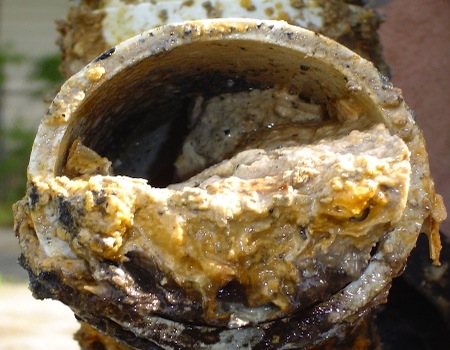
2.10.12: In the latest installment of Ask The Expert, producer Ben Pomeroy visited with Emily Landsburg, CEO of Black Gold Biofuels to learn about the infrastructure scourge and energy potential of used cooking oil’s less glamorous cousin, restaurant grease trap waste. Unlike yellow grease from cooking oil, grease trap waste had no practical applications until Landsburg and her company created one that’s now adding value for towns and cities. Pomeroy presented Landsburg (known to be a Batman maven) with the NONR customized high honors: some black sublimated designs of Batman t shirts, a NONR Recognition Certificate, and some very good press for her company.